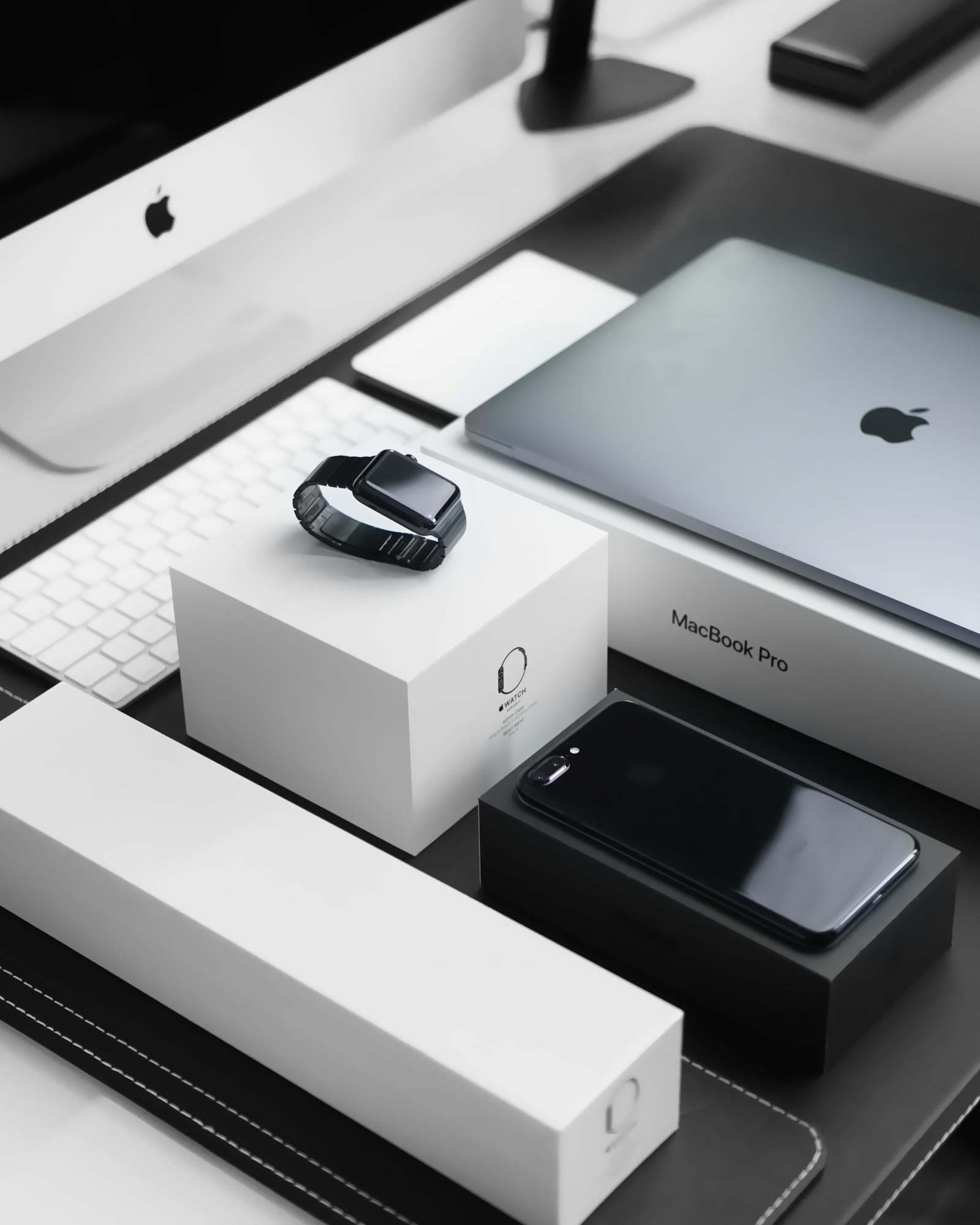
The average price Australians pay for a new smartphone is forecast to hit $1,253 this year — a $140 jump on 2025, according to figures from research firm Omdia reported by WhistleOut. Globally, the picture is even sharper: Omdia expects the worldwide average selling price to leap 21 per cent to US$565 — which the firm describes as an all-time high in both dollar value and growth rate.
The short version:
- The average new phone in Australia is tipped to cost $1,253 in 2026 — up $140, or about 12.6 per cent, on last year, according to Omdia forecasts reported by WhistleOut.
- Memory chips are the main culprit: Omdia’s analysis points to DRAM and NAND prices surging more than 80 per cent in a single quarter — and every phone needs both.
- Cheap phones are quietly disappearing — manufacturers are cutting low-end models and shrinking their ranges, so the budget end feels it first.
- You have options: keeping your current phone longer, buying last year’s model or refurbished, and pairing any handset with a cheap SIM-only plan all blunt the hit.
A $140 Jump in a Single Year
Omdia’s numbers, reported by WhistleOut on Friday, show Australian phone prices barely moved between 2024 and 2025 — and then broke loose:
| Year | Average phone price (Australia) | Change on prior year | Global average (USD) |
|---|---|---|---|
| 2024 | $1,085 | — | — |
| 2025 | $1,113 | +$28 (+2.6%) | US$467 |
| 2026 (forecast) | $1,253 | +$140 (+12.6%) | US$565 (+21%) |
Spread over a typical three-year upgrade cycle, a $1,253 handset works out to roughly $35 a month before you have paid for a single gigabyte of data — our arithmetic, and for many people that is more than the monthly cost of the SIM plan the phone runs on.
The rise comes even as fewer phones ship. Omdia expects global shipments to fall 12.2 per cent in 2026 to around 1.09 billion units, while WhistleOut reports Australian shipments easing only slightly, from 7.1 million to 7 million. Total global market value still grows 6.1 per cent on Omdia’s forecast — the industry making more money from fewer phones, which is exactly what “prioritising value over volume” means in practice.
Blame the Memory Chips
Omdia’s June analysis — widely reported, including by MacTech — pins the surge on component costs, above all memory. DRAM and NAND prices rose more than 80 per cent quarter-on-quarter in early 2026 on Omdia’s figures. Manufacturers have responded by cutting lower-end models, shrinking product line-ups and trimming marketing spend rather than absorbing the cost.
“The smartphone industry is currently going through a period of significant disruption, as vendors work to manage short-term component cost pressures,” Omdia senior research manager Jusy Hong said in the firm’s release.
That second-order effect matters more than the headline number. When makers cull their cheapest models, the average price climbs even before anyone raises a single sticker — the affordable options simply stop existing.
The World Is Catching Up to Australian Prices
One thing the raw percentages hide: Australia’s forecast 12.6 per cent rise is barely half the global 21 per cent — but that is not a reprieve. In US-dollar terms, the Australian average was already about 66 per cent above the global figure in 2025 (US$775 against US$467, on the numbers WhistleOut reported). The global surge is being driven by the disappearance of ultra-cheap handsets — a segment that has never been big in Australia — so the rest of the world is, in effect, catching up to prices Australians already pay. On the 2026 forecasts, that local premium narrows to about 54 per cent.
Our read of those figures: Australian buyers are partly insulated from the worst of the jump precisely because we were paying premium prices all along. Cold comfort — but it does mean the money-saving moves below go further here than almost anywhere else.
How to Dodge the Worst of It
Concrete steps, in the order we would take them:
- Keep your current phone another year. If it still receives security updates, 2026 is the year to sit out. Phones are lasting longer than ever — we have looked at why Apple devices in particular keep going — and Omdia itself expects relief once component costs settle. “While smartphone price reductions may not occur immediately, consumers can anticipate positive factors such as the restoration of product diversity, new features, and the resumption of competition among smartphone vendors,” Hong said.
- Buy last year’s flagship, or certified refurbished. Stock already in the channel was built at old component prices; the forecast rise lands on new releases first.
- Trade in what you have. Trade-in programs — our guide to how Telstra Trade-In works covers the biggest one — knock real money off the sticker price of a new handset.
- Don’t let an expensive phone drag your plan up with it. Financing a handset through a carrier usually tethers you to its pricier plans. Buying the phone outright and pairing it with a cheap SIM-only plan is where the real savings hide — our mobile savings calculator shows what the switch is worth.
If you are weighing up a SIM-only plan to pair with a cheaper (or older) phone, compare live pricing below:
Quick Answers
Why are phone prices going up in 2026?
Component costs — above all DRAM and NAND memory, which Omdia says rose more than 80 per cent quarter-on-quarter in early 2026 — plus manufacturers cutting cheaper models from their ranges. Omdia forecasts the global average selling price will rise 21 per cent to US$565 this year.
How much does the average phone cost in Australia?
About $1,113 in 2025, forecast to reach $1,253 in 2026, according to Omdia figures reported by WhistleOut. Cheaper phones still exist — but the selection is shrinking as makers trim their budget ranges.
Should I buy a phone now or wait?
If your current phone works and still gets security updates, waiting looks like the better bet — Omdia expects product variety and competition to return once component costs settle. If you can’t wait, last year’s models and certified refurbished handsets sidestep the worst of the rise.