
Noticed texts from businesses suddenly labelled “Unverified” on your phone? That’s not a glitch — it’s Australia’s new SMS Sender ID Register at work, one of the biggest changes to how text messages reach Australians in years. Here’s what the label actually means, and what you should (and shouldn’t) do when you see it.
What Happened
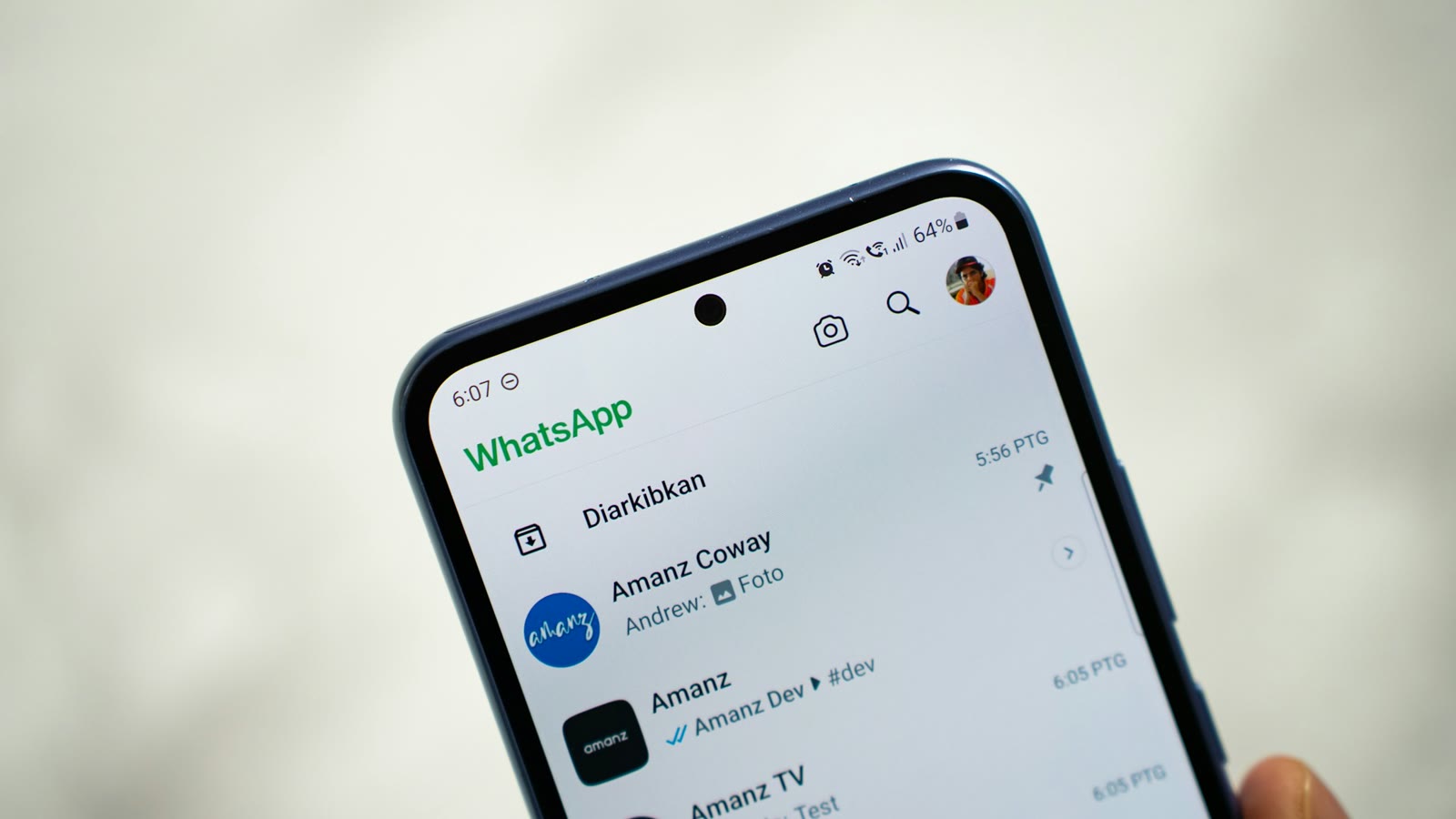
From 1 July 2026, any business or organisation that sends texts under a brand name — banks, delivery services, the ATO, your GP’s reminder system — must register that sender ID with the ACMA. Messages from registered names display normally. Messages using an unregistered brand name now show “Unverified” instead, and get grouped into a single thread with all the other unverified messages, as Vodafone explains in its customer notice.
The register is aimed squarely at impersonation scams — texts pretending to be your bank or a courier that slot into the same conversation thread as the real thing. Australians reportedly lost around $18 million to SMS scams in the previous year, according to figures cited by Canstar. ACMA member Samantha Yorke said the changes “will give Australians an extra layer of protection to help prevent impersonation scams”, with a clear difference now visible between registered and unregistered senders.
What It Means For You
Two things are true at once during this transition, and both matter:
- “Unverified” doesn’t automatically mean scam. Plenty of legitimate smaller businesses, clinics, clubs and community groups simply haven’t registered yet. Their messages are real — they’re just late to the paperwork.
- A registered name doesn’t automatically mean safe. The register makes brand impersonation in the sender field much harder, but scam links can still arrive from ordinary mobile numbers. The label is one signal, not a guarantee.
The practical upside: when a text claims to be from a major brand and shows “Unverified”, your suspicion should now be immediate — the big players have registered.
What To Do About It
Simple rules for the new era: never tap a link in an “Unverified” text that claims to be your bank, a toll company or a delivery service — go directly to the official app or website instead. Report suspicious messages to Scamwatch. And if you run a small business or community group that texts customers under a brand name, talk to your telco about registering before your reminders start getting ignored.
For the broader playbook on staying ahead of phone-based cons, see our guides on protecting yourself from scam calls and the common scams doing the rounds in Australia — and if you haven’t already, turn on two-factor authentication for anything that matters.