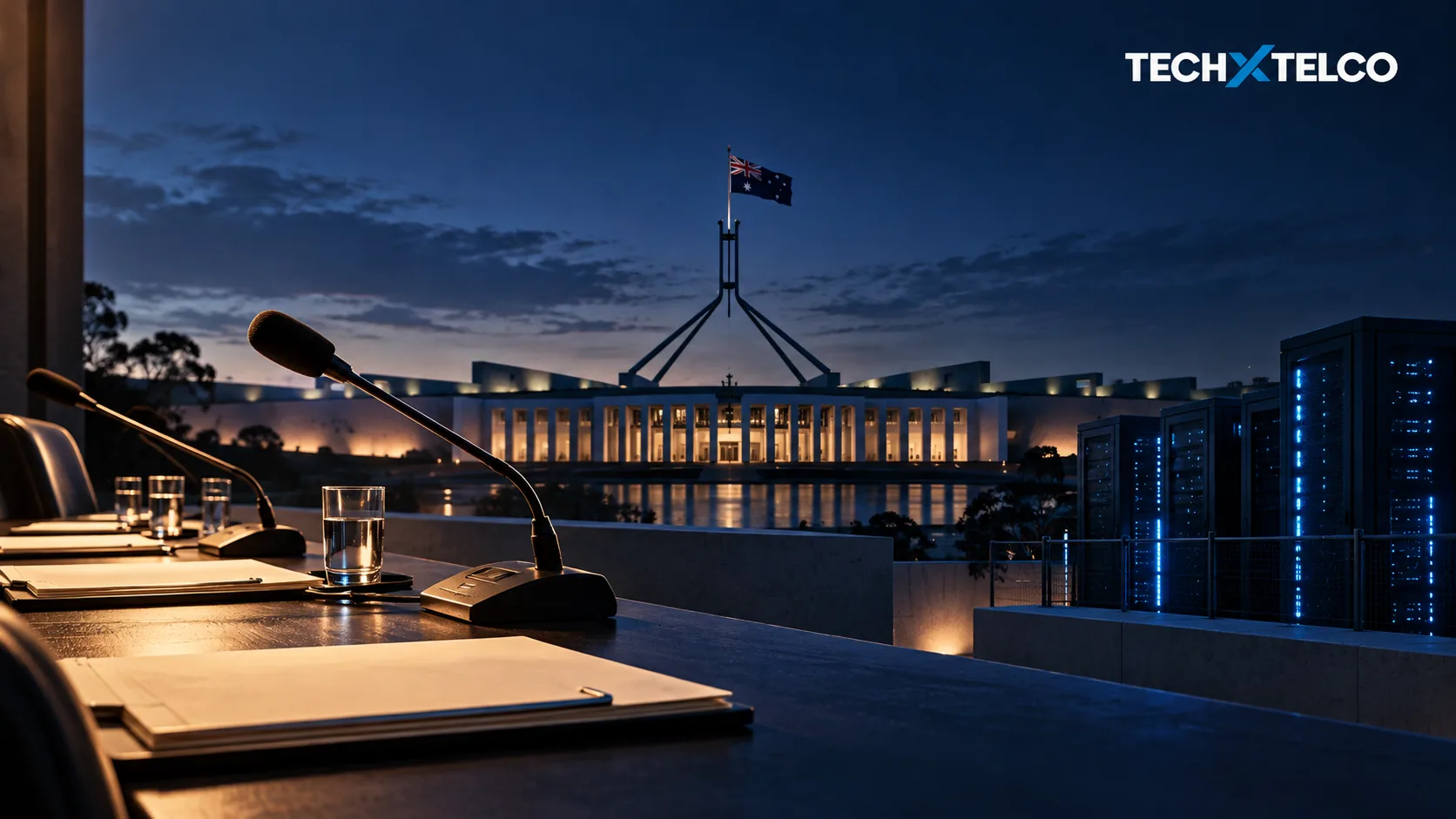

The chair of Australia’s Senate inquiry into artificial intelligence and data centres has called for OpenAI CEO Sam Altman and Anthropic CEO Dario Amodei to appear. Senator Sarah Hanson-Young’s 27 September statement seeks answers about the companies’ expanding Australian footprint.
What you need to know
The request is public, but the records checked for this report do not confirm that either CEO will attend. The inquiry covers data-centre regulation and impacts on communities, industry, water, energy and the environment. Check Parliament’s current programme for hearing details.
What has the chair asked for?
Hanson-Young’s statement raises transparency, company dealings with government, copyright and the use of Australian resources. It also seeks answers about reported OpenAI access to government websites. These are the chair’s concerns and characterisation; the statement does not establish findings against either company.
A useful reading of the news starts by distinguishing the invitation, the questions and the eventual evidence. An invitation tells us what the chair wants to examine. The answers given, supporting records and committee’s conclusions will determine what readers can take from the process.
Which inquiry is this?
The parliamentary record identifies the Environment and Communications References Committee’s inquiry into Artificial intelligence and data centres. It was referred on 13 May 2026 and has a reporting date of 16 November 2026.
Its terms of reference examine existing regulation, including government agreements with global AI companies, and potential effects on Australian communities, industries and the environment, water and energy. That remit connects the software conversation with the infrastructure needed to run it.
Our Queensland data-centre report separates an announced lease from a completed operating facility.
The hearing date needs a fresh check
The chair’s release said hearings would resume in Canberra on 1 October. However, when rechecked on 1 October, Parliament’s public-hearings page listed an upcoming 3 November hearing in Darwin and did not show a 1 October entry. The published records checked here therefore do not confirm that timetable or the CEOs’ attendance.
Readers following the story should use the current hearing programme and any subsequent witness list, transcript or company statement. A scheduled hearing and a confirmed appearance by a particular person are separate facts.
What would useful answers look like?
Our editorial view is that the most useful evidence will make commitments specific enough to assess. General assurances about responsible growth leave too much unanswered. The following questions would help readers understand what is proposed and what can be checked:
Resources: what water and energy estimates apply to each proposed project, and what assumptions sit behind them?
Public agreements: which commitments, costs and conditions can Australians inspect?
Safety: how are concerns about agent behaviour investigated, explained and addressed?
Accountability: who will report progress, how often, and against which measurable commitments?
These are suggested questions, rather than a claim that the committee has adopted this checklist or that a company has already answered it. They focus attention on evidence that communities, customers and decision-makers could evaluate after the hearing.
The next meaningful development will be a confirmed programme, a company response or evidence presented to the committee. Until then, the news is the chair’s call for answers and the inquiry’s stated scope.
Sources and further reading
Sarah Hanson-Young: AI leaders called to front Senate inquiry27 September statement; named CEOs, chair’s concerns and proposed 1 October Canberra date.greens.org.au
Parliament: Artificial intelligence and data centres inquiryCommittee identity, referral date, reporting date and terms of reference; live page read in browser.www.aph.gov.au
Michel Elijah covers technology, streaming and online security for Tech X Telco. He writes practical how-to guides on everything from email troubleshooting to spotting the latest scams doing the rounds in Australia, with a focus on clear steps anyone can follow.
Spotted something wrong? Corrections are recorded in the open. Report a correction