
Australian telcos want the rules for building fibre and mobile infrastructure considered alongside the country's AI data-centre plans. The Australian Telecommunications Alliance made the call on 2 October, arguing that AI investment depends on the networks connecting businesses and households to it.
The alliance says it raised the issue in submissions to the Senate inquiry into artificial intelligence and data centres and a Tasmanian parliamentary inquiry. Its position is that telecommunications, data centres, electricity and other enabling infrastructure should be planned together.
What you need to know
This is an industry proposal for deployment reform. It does not announce a new approval law, a household fibre-upgrade date or a cheaper mobile plan. The useful question is whether policy changes can improve connectivity while retaining the protections that approvals provide.
What the telcos are asking for
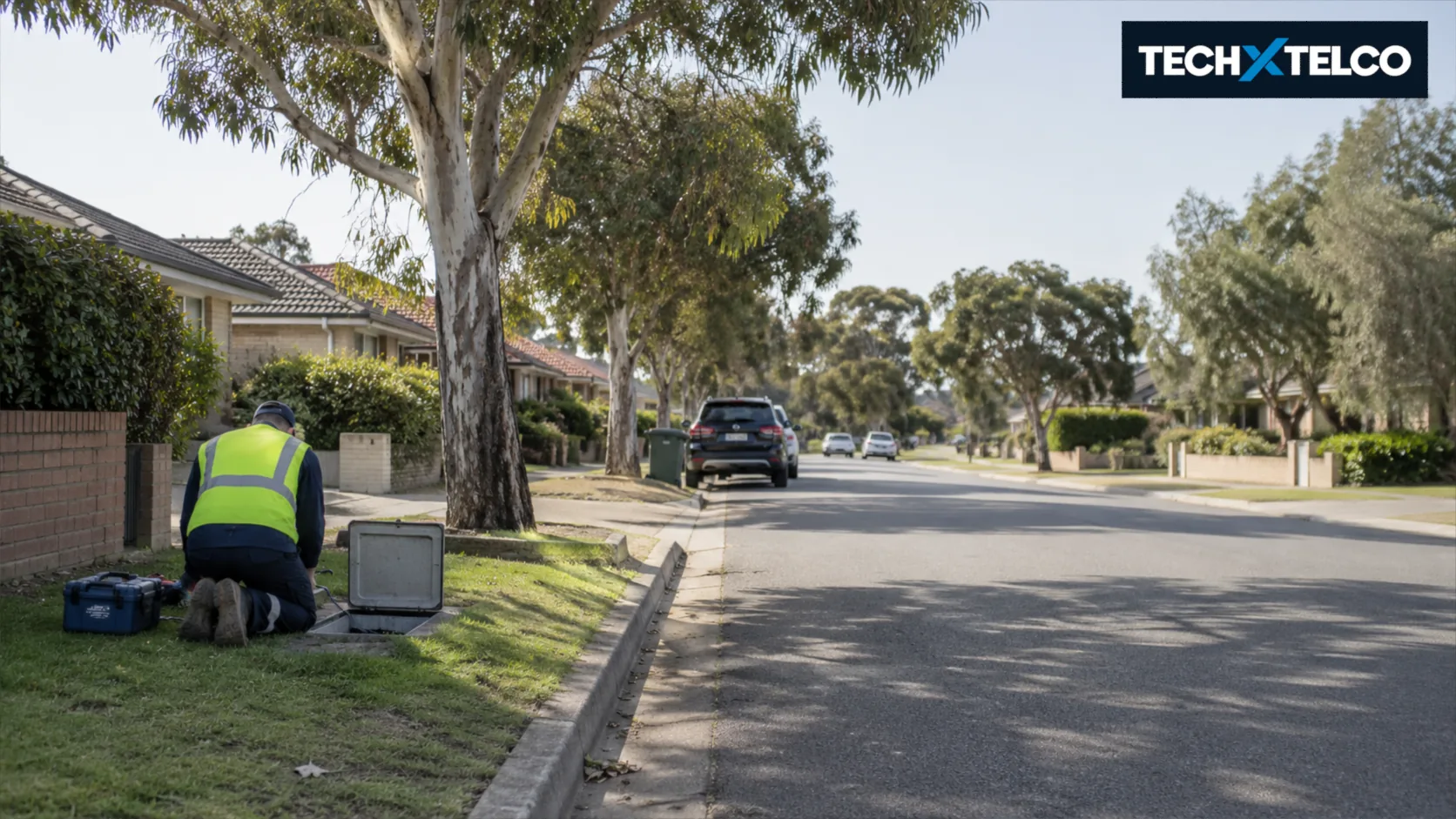
The ATA argues that outdated planning processes delay fibre and mobile network deployment and could slow AI uptake. It wants governments to modernise deployment rules and treat connectivity as part of the same infrastructure discussion as data centres, energy and water.
Those statements explain the industry's case. They do not independently establish how much delay a particular rule causes, how much investment a reform would unlock or how the benefits would be shared.
What it means for an ordinary internet user
A data-centre proposal alone does not tell a household whether its connection is suitable for the tools it wants to use. Ask separate questions about local coverage, connection reliability and the service actually available at the address.
Consider a small business trialling an AI assistant. It should test the intended task using its current setup: does the service load consistently, do uploads complete and can staff recover when a task stops? Those observations help identify the practical problem before a broadband purchase is made.
This announcement is not a reason to upgrade an internet plan automatically. First establish whether a limitation comes from the connection, a device, the service itself or the way the workflow is designed.
Use our NBN speed-testing guide to collect useful connection evidence.
The questions a reform proposal should answer
The next useful step is to examine the detailed proposals and the response from policymakers and affected communities. Our editorial test would be whether a change explains the problem, identifies the protection it alters and makes the expected outcome measurable.
Which specific approval or deployment requirement would change?
What evidence links that requirement to delays?
How would safety, landholder and community interests be handled?
Which places and customers would benefit, and on what timetable?
How would the government measure whether a reform improved coverage or reliability?
An industry association has a clear stake in easier deployment. Its participation is relevant, but policymakers also need to assess public benefits and competing interests. A claim about national productivity should not be turned into a promised saving on an individual bill.
Keep the proposal separate from current upgrade programmes
For readers already checking an NBN upgrade, continue using the address and plan requirements attached to that programme. The ATA statement does not replace those requirements or establish a connection date.
Our FTTN fibre-upgrade explainer covers the separately announced March 2027 plan-rule change.
For the broader policy discussion, read our coverage of the Australian AI inquiry.
Michel Elijah covers technology, streaming and online security for Tech X Telco. He writes practical how-to guides on everything from email troubleshooting to spotting the latest scams doing the rounds in Australia, with a focus on clear steps anyone can follow.
Spotted something wrong? Corrections are recorded in the open. Report a correction