
Australia's mobile network operators say Temporary Disaster Roaming is ready from 1 October 2026. The confirmation moves the story beyond the earlier readiness target, but it does not mean phones can use every mobile network all the time.
What you need to know
Disaster roaming may be activated in an eligible affected area when your usual network is unavailable and another network can safely carry extra users. Compatible phones may then make calls, send texts and use basic data at no extra cost. Readiness is not confirmation that it is active in your location.
What happens when it is activated?
The ATA says network operators manage activation between their operations centres. They assess the surviving network's coverage and capacity, including the need to protect existing services and emergency communications. Users need a device that supports Voice over LTE roaming.
Most customers should connect automatically once the service is activated and available, according to the ATA. Conditions can change, and operators may adjust or end an activation. The statement does not promise normal speeds or an unlimited data allowance.
Where it may help, and where it cannot
Telstra describes the service as intended for eligible regional and rural disaster areas, excluding metropolitan areas. It also says Optus and TPG customers may be able to use a surviving Telstra network in an area where Telstra is the only network covering that location.
That last point matters: do not assume the feature requires two carriers to have provided normal coverage before the disaster. Access still depends on a working network, capacity, activation and device compatibility.
If every nearby network is down or out of reach, roaming has nothing to connect to. Telstra says typical activations run for around 24 hours at a time. That description is not a guarantee of how long an individual activation will last.
Source: Telstra: temporary disaster roaming explained
Check your phone before relying on the feature
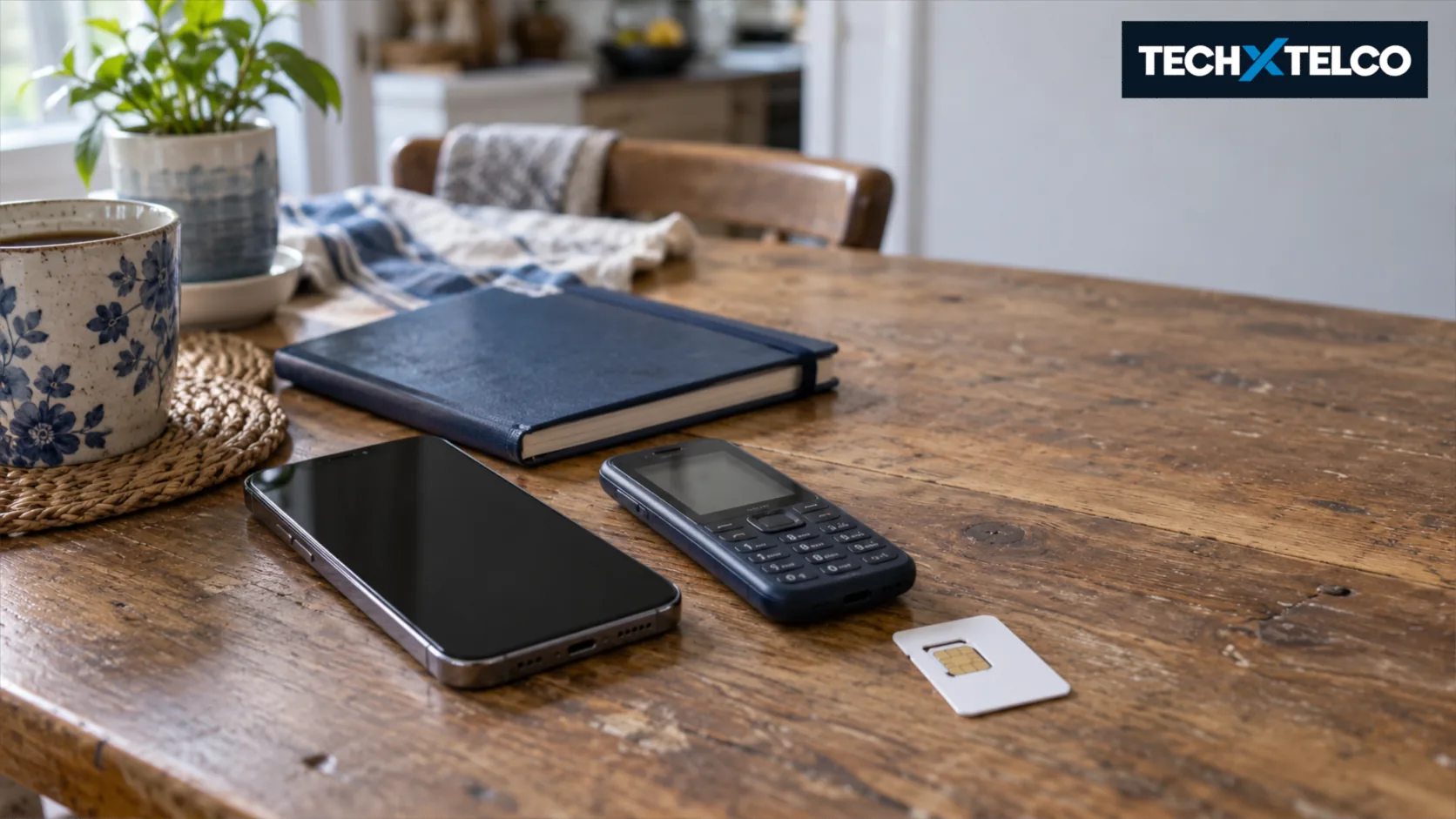
Ask your provider whether the exact handset and service support VoLTE roaming. Telstra gives its own handsets launched from 2022 onwards as a compatibility reference; this is not a universal rule that every phone bought after 2022 will work.
Telstra says its disaster-roaming capability is intended for compatible smartphones, rather than medical alarms, payment terminals or every connected device. Check the separate continuity arrangements for any essential equipment.
Its guide says most users will not need to change settings and may see another carrier or a disaster-roaming label. Follow current provider instructions rather than repeatedly changing network settings during an incident.
Triple Zero and satellite services are separate
The ATA says emergency camp-on, which allows emergency calls through an alternative available network, operates separately from disaster-roaming activation. TDR adds access to other communications in qualifying circumstances. Neither description guarantees a successful call when coverage, equipment or networks fail.
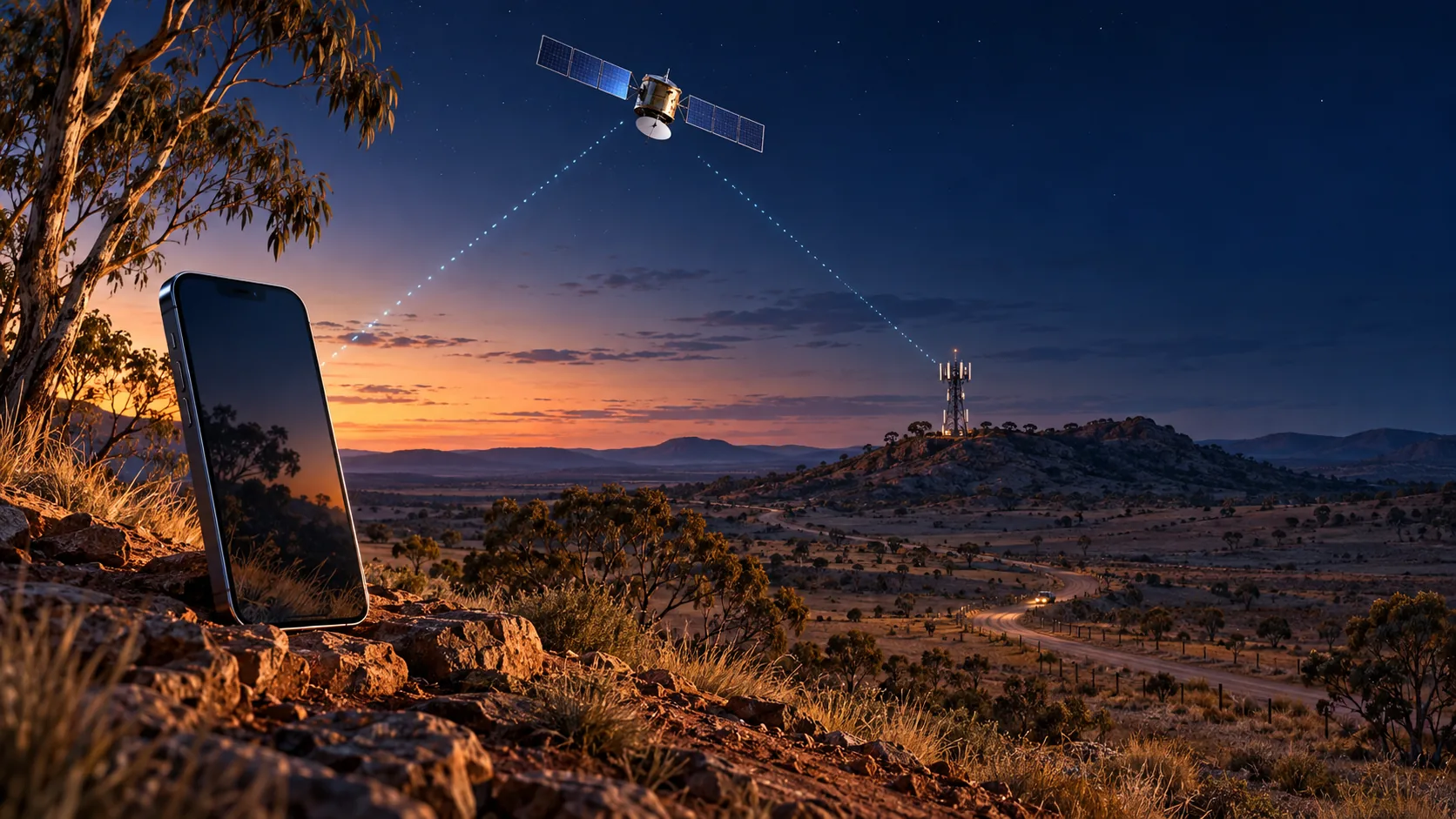
Do not confuse this with satellite messaging. Telstra describes satellite messaging as a separate service with its own handset and plan conditions and says it is not an emergency service.
Source: Telstra: temporary disaster roaming explained
Prepare for more than one communication route
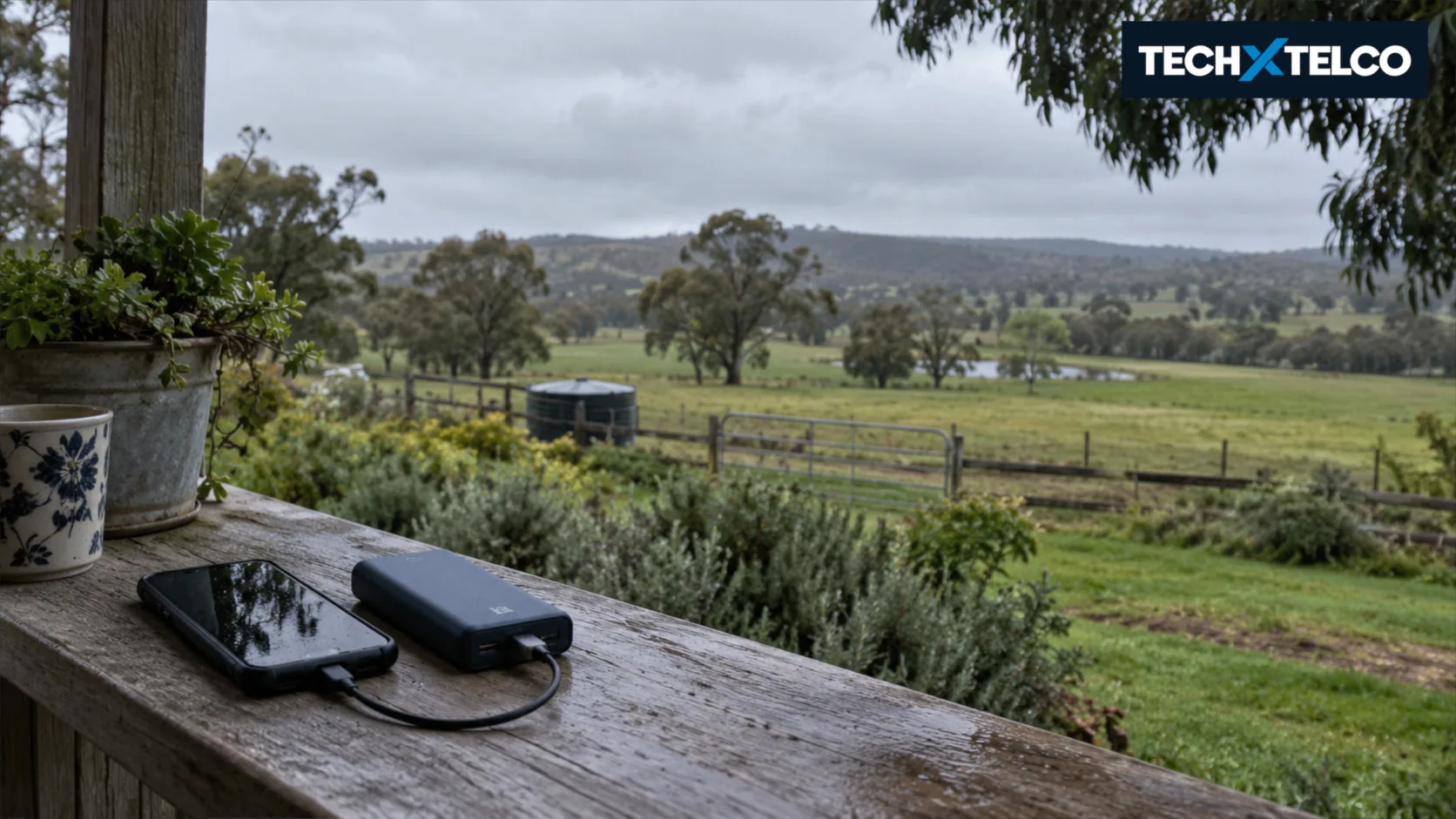
Charge the phone and an available power bank, keep important contact details accessible offline and check current carrier and emergency-authority information during a disaster. These preparations help even when roaming cannot be activated.
A phone showing service is useful, but it should not be the only part of a household's plan. Consider how to contact family if the battery runs out or the local network becomes unavailable.
Our blackout guide explains the separate limits on home internet during a power outage.
Narooma's payphone story shows why alternative communication routes mattered during the bushfires.
Everyday domestic roaming remains a separate policy question covered in our ACCC inquiry explainer.
Sources and further reading
ATA: Temporary Disaster Roaming readiness1 October readiness; operators, activation and capacity, calls/texts/basic data, no extra cost and VoLTE roaming.www.austelco.org.au
 Telstra: temporary disaster roaming explainedRegional/rural restrictions, compatible smartphones, surviving Telstra-only areas, settings and typical activation duration.www.telstra.com.au
Michel Elijah covers technology, streaming and online security for Tech X Telco. He writes practical how-to guides on everything from email troubleshooting to spotting the latest scams doing the rounds in Australia, with a focus on clear steps anyone can follow.
Spotted something wrong? Corrections are recorded in the open. Report a correction